Call Today (508) 879-3556  |   401 Worcester Rd. Framingham MA 01701

7 Ways a Home Theater Designer Maximizes Your Space

7 Ways a Home Theater Designer Maximizes Your Space

Transforming a regular room into a cinematic experience involves more than just adding a big screen and speakers. A professional home theater designer brings the expertise needed to turn an ordinary space into a carefully planned entertainment environment. This process involves balancing room dimensions, seating placement, acoustics, lighting, and technology so that every part of the room supports a better viewing and listening experience. Rather than forcing equipment into a space, the design process works with the room’s strengths and limitations to create something intentional and refined.

1. Understanding the Room First

An effective theater begins with a close analysis of the room itself. The length, width, and height of the space influence nearly every decision that follows. These dimensions help determine the proper screen size, the number of seats the room can handle comfortably, and the best speaker positions. Without this assessment, a room can easily feel overcrowded or underutilized. Studying the architecture first helps create a layout that feels balanced and comfortable rather than forced.

Room analysis also includes identifying doors, windows, ceiling slopes, alcoves, and other structural details that affect design choices. These features may seem minor at first, but they can influence lighting control, sound reflection, and furniture placement. With a careful review of the room’s physical characteristics, the design can adapt to the space instead of competing against it. That is one reason why a home theater designer is valuable from the earliest planning stages.

2. Creating a Layout That Supports Comfort

Seating arrangement plays a major role in how enjoyable a theater feels. Chairs that are too close to the screen can create eye strain, while seats placed too far away can make the image feel less immersive. Proper spacing improves comfort and helps each seat feel worthwhile. In many cases, the seating plan also needs to account for recliners, cup holders, side tables, and walking paths so the room remains easy to use.

Traffic flow is just as important as seating comfort. People should be able to enter, exit, and move through the room without blocking the screen or disturbing others. Clear pathways make the space feel more polished and functional, especially when the theater is used for hosting family and guests. Even in a compact room, careful planning can prevent the layout from feeling cramped.

3. Improving Sightlines for Every Seat

One of the biggest differences between a casual media room and a thoughtfully planned theater is sightline optimization. Every viewer should have a clean, unobstructed view of the screen from their seat. This may involve adjusting screen height, raising rear seating, or refining the angle of the chairs. A well-planned room reduces neck strain and prevents viewers from having to shift constantly to see around others.

Tiered platforms can be helpful when the room is large enough to support multiple rows. In smaller rooms, even subtle adjustments to seating height or furniture scale can improve visibility. These refinements may seem simple, but they dramatically affect how comfortable and immersive the room feels during long viewing sessions.

4. Managing Sound With Greater Precision

Sound quality is essential to the theater experience, and it depends on far more than buying premium speakers. Walls, floors, ceilings, and furnishings all affect how sound travels through the room. Hard surfaces can create echoes and harsh reflections, while poor speaker placement can cause uneven coverage or muddy dialogue. To solve these issues, designers focus on shaping an environment where audio is controlled and clear.

Acoustic panels, rugs, heavy curtains, and specialized wall treatments can all reduce unwanted reflections. These materials help dialogue sound crisp and make music and effects more balanced. Sound barriers can also reduce audio transfer to adjacent rooms, which is especially important in shared homes. A knowledgeable home theater designer understands how to blend these technical improvements into the room without making the design feel overly industrial or cluttered. According to Fixr, a 5.1 surround sound system includes 6 channels for 6 speakers, while a 7.1 system includes 8 channels, which highlights how precise channel planning directly impacts how sound is distributed throughout the space.

5. Planning Speaker Placement Carefully

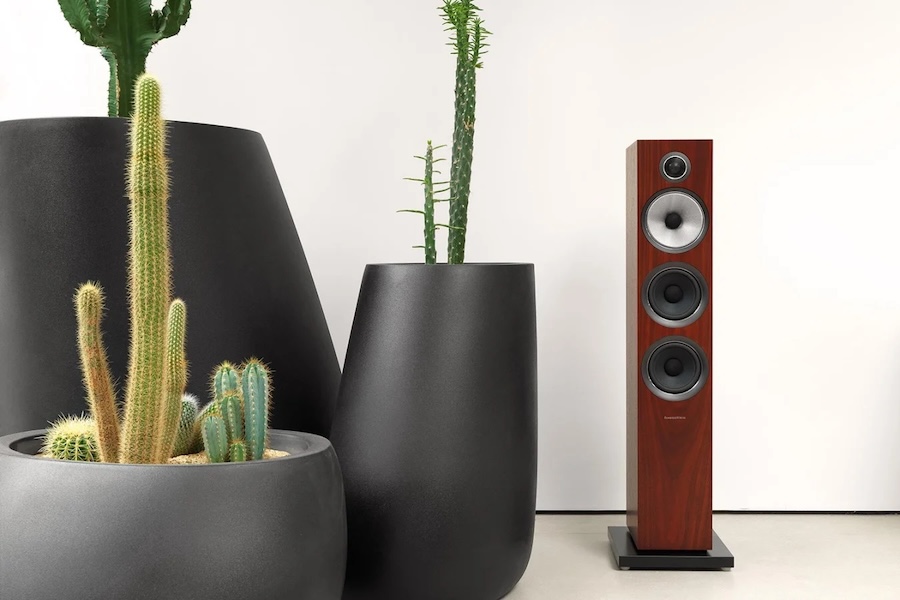
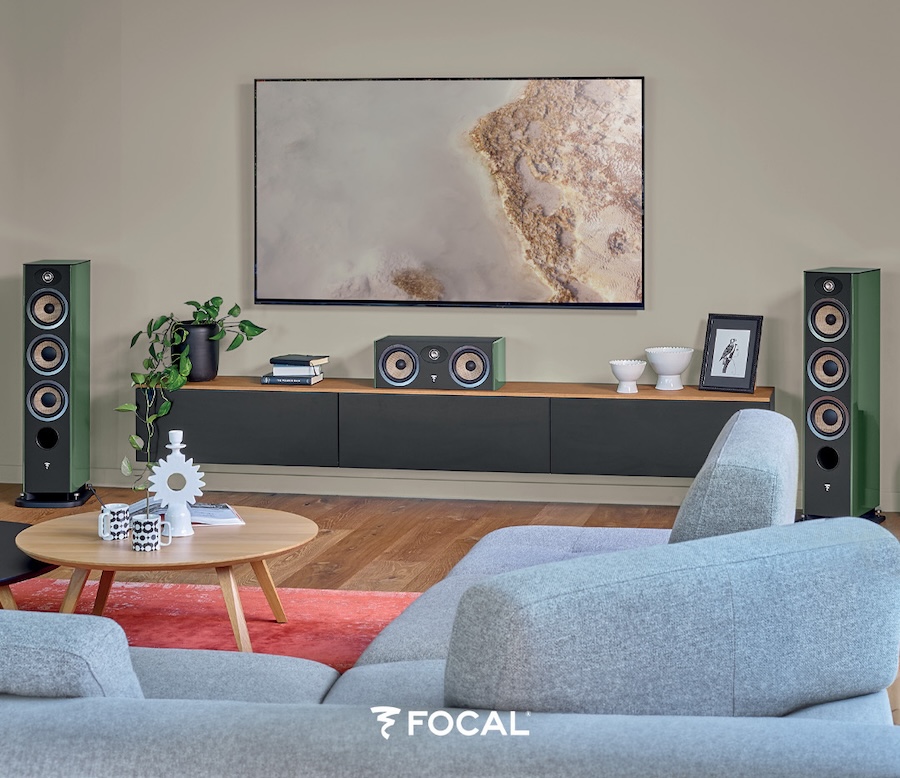
Speaker positioning is one of the most important technical decisions in any theater. Front speakers, surround speakers, and subwoofers all need to work together so the room feels cohesive rather than uneven. Speaker angle, height, and distance from seating can influence clarity and impact. A well-calibrated system allows viewers to hear subtle dialogue, directional effects, and low-frequency moments with greater realism.

Bass management is another key factor. Low frequencies can easily overwhelm a room if subwoofers are placed poorly. Thoughtful positioning, along with calibration and possible bass trapping, helps keep the sound full without becoming boomy or distracting. Proper speaker planning ensures the room sounds immersive at both high and moderate listening levels.

6. Choosing the Right Visual System

The visual centerpiece of a theater needs to fit both the room and the homeowner’s goals. In some spaces, a projector and screen create the most cinematic effect. In others, a large television may provide better brightness, simpler installation, and easier maintenance. The decision depends on viewing distance, ambient light, budget, and how the room will be used from day to day.

Screen size should never be chosen based on popularity alone. A screen that is too large for the room can feel overwhelming, while one that is too small may reduce immersion. Calibration also matters. Adjusting brightness, contrast, color, and aspect ratio helps content appear more natural and engaging. When done correctly, the image feels sharp, balanced, and appropriate for everything from movies to sports broadcasts.

7. Controlling Light for Better Performance

Light management has a direct effect on picture quality. Sunlight, lamps, and reflections can wash out the image and reduce contrast. Blackout curtains, dimmable sconces, and automated shading systems help create better conditions for viewing. These choices also contribute to the atmosphere of the room, making it feel more intentional and immersive.

Layered lighting is often the best solution because it allows the room to adapt to different uses. Soft accent lights can guide movement before a movie begins, while dimmable fixtures can create a polished theater mood. A well-lit room should feel inviting when people enter and distraction-free once the viewing starts.

Maximizing a theater room requires more than filling it with high-end equipment. It takes a thoughtful approach to layout, acoustics, visuals, technology, comfort, and style. Each decision affects how the room feels and performs, and those details add up quickly. When the design is handled with care, the finished space becomes more immersive, more functional, and far more enjoyable to use. Whether the room is a dedicated theater or a flexible multi-purpose area, expert planning can unlock its full potential. A skilled home theater designer can shape every detail around the homeowner’s needs, helping the space deliver comfort, convenience, and strong performance for years to come. With the right strategy, even an ordinary room can become a polished and memorable home entertainment destination. Professional guidance helps future-proof the system, allowing upgrades without major redesigns and ensuring compatibility with evolving formats, streaming technologies, and control systems. This forward-thinking approach protects the investment and keeps the theater performing at a high level over time while maintaining ease of use for every member of the household and improves long-term reliability and consistent user satisfaction daily. Contact Natural Sound today and learn more about our audio and home theater services.

Elevate Your Audio with the Best Wireless Headphones

Finding the Perfect Soundtrack for Your Boston Lifestyle

Elevate Your Audio with the Best Wireless Headphones

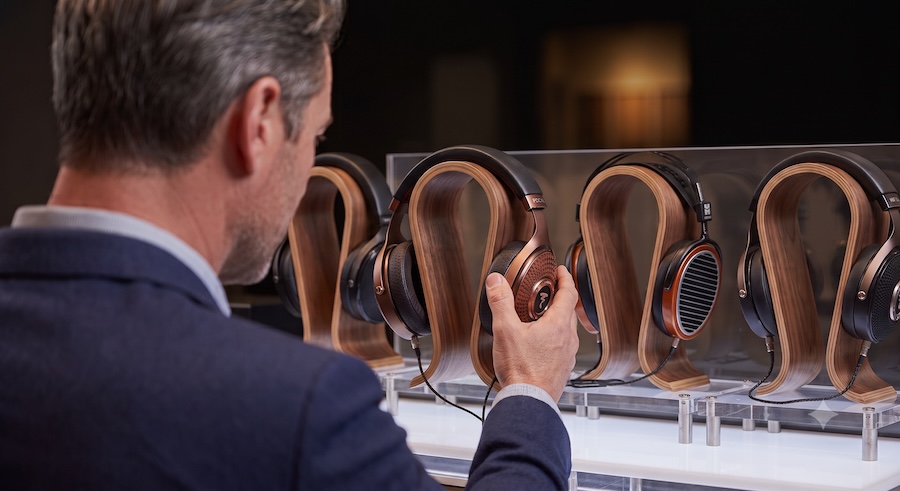
Lately, we’ve been reflecting on how the right pair of headphones can bridge the gap between a high-pressure workday and a much-needed moment of relaxation. 

You know that feeling when you finally find a piece of technology that doesn’t just work, but actually makes your life feel more... refined? That’s exactly what we’re talking about. Whether you’re prepping for a non-stop day of Zoom calls in your home office or boarding a flight for a quick getaway to the Vineyard, your headphones should be as sophisticated as your zip code.

Whether you are navigating a busy morning in a Back Bay brownstone or heading out to a quiet retreat in Weston, your audio gear should be as thoughtfully selected as everything else in your high-end lifestyle. 

Below, we dive into the top wireless headphones that will keep your life feeling fabulous, so keep reading to learn more.

Your Neighbors Will Thank You for Upgrading Your Outdoor Audio

The Boston Backyard Revolution: Why Your Landscape Speaker Systems Need a Professional Touch

Your Neighbors Will Thank You for Upgrading Your Outdoor Audio

We New Englanders treat patio season like a precious resource. We have a limited window of beautiful weather, and we want every second of it to be perfect.

Unfortunately, there’s one thing that consistently ruins the vibe of a perfect summer night in Boston: bad outdoor audio.

We’ve all been there, trying to set the mood with a waterproof Bluetooth speaker bought online. You spend twenty minutes fighting with the connectivity while your steak overcooks. When it finally connects, the sound is tinny, or worse, you have to crank it so loud just to hear the lyrics that you’re basically hosting a concert for the entire neighborhood.

It’s frustrating, it’s fussy, and honestly? You deserve better. Discover how you can avoid the DIY trap of underpowered outdoor speakers below—keep reading.

Recent Growth in the Home Audio and Digital System Market

Elevate Everyday Listening with a Home Audio System

Recent Growth in the Home Audio and Digital System Market

The home audio and digital entertainment market is experiencing rapid growth as consumer lifestyles continue to shift toward on-demand content, remote work, and in-home entertainment. More households are investing in high-quality audio setups to enhance everyday experiences, from streaming music and podcasts to creating immersive home listening environments. Advances in smart technology and increased access to digital platforms have reshaped how people consume audio, driving demand for flexible, connected home audio systems that integrate seamlessly into modern living spaces.

Digital Entertainment Drives Growth

One of the key drivers behind this growth is the global shift towards digital and on-demand entertainment. According to Deloitte, the global audio market is projected to surpass $75 billion in 2024, marking a 7% hike across various formats, including podcasts, streaming music, radio, and audiobooks. This surge in diverse audio formats underscores the consumers' palpable demand for flexible audio solutions that can seamlessly fit into their hectic lifestyles, whether they are at home, commuting, or on the move. The popularity of a high-quality home audio system has become central to creating a premium, personalized listening environment at home.

Smart Technology Expands Systems

Technological advancements play a crucial role in bolstering the home audio industry's expansion. A modern audio system is no longer limited to delivering sound; it is now integrated with smart home systems, voice assistants, and high-definition capabilities. This integration enhances user experience by allowing individuals to control their audio environment effortlessly, creating tailored acoustics suited to personal tastes and preferences. The demand for smart speakers and wireless audio devices has escalated, as they combine convenience with cutting-edge technology.

Consumer Demand Rises

Consumer behavior has also been a significant catalyst for growth. The convenience of accessing vast libraries of content at one's fingertips, coupled with the increasing popularity of working and exercising from home, has amplified the need for versatile audio systems. Streaming services and digital platforms are capitalizing on this trend by offering high-quality content tailored to diverse interests, thereby enriching the consumer's audio experience. This behavioral shift towards digital consumption is anticipated to continue driving growth in the home audio sector.

The growth in the home audio and digital system market in 2024 highlights the sector's dynamic evolution and increasing consumer appetite for innovative audio solutions. With technology continuing to evolve and consumer preferences shifting towards digital content, the industry is poised for further advancement. This upward trajectory not only signifies expanding market opportunities but also a promising future for how audio is consumed globally. Experience the ultimate in immersive listening by upgrading your home with Natural Sound’s premium home audio system today.