Stop Blaming the Turntable for Bad Sound
The Turntable Gets the Credit. The Setup Does the Work.
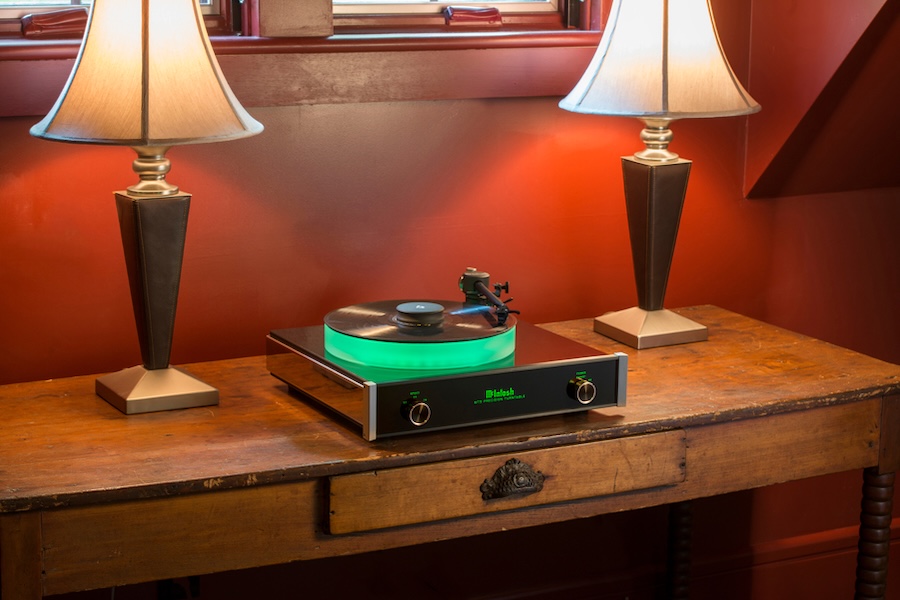
We've had a steady run of customers asking about turntables lately, and most of them assume the turntable itself is the whole story, but it isn't. The cartridge, the tonearm setup, and the phono preamp behind it do as much work as the turntable, and a mismatch anywhere in that chain is usually what's behind vinyl sounding muddy.
If you're shopping for a turntable, or trying to figure out why the one you already own doesn't sound quite right, keep reading to learn what actually matters.
SEE ALSO: How High-End Speakers Deliver a Lifelike Soundstage
The Cartridge Does More Work Than the Table
A cartridge converts the physical grooves on a record into an electrical signal, and how well it does that depends on the stylus shape, the suspension, and whether it's a moving-magnet (MM) or moving-coil (MC) design.
MM cartridges are more forgiving and easier to match with a receiver's built-in phono input. MC cartridges track more detail but need a dedicated phono stage with the right gain and impedance to sound right, not just any amplifier with a phono jack. A worn or mismatched cartridge is the single most common reason a turntable underperforms.
Setup Details Can Change the Sound
Tracking force, anti-skate, and vertical tracking angle (VTA) all affect how evenly the stylus sits in the groove. Set the tracking force too light, and the stylus skips or distorts on loud passages. Set it too heavy, and it wears down your records faster while dulling the high end.
Some turntables, like McIntosh's MT-series, come factory-preset for all of this, which removes the guesswork. Others need a proper hand calibration, and it's worth having that done correctly rather than eyeballing it.
Belt-Drive vs. Direct-Drive, and Why It Matters
Belt-drive turntables isolate the platter from motor vibration, which is why most high-fidelity tables use that design; direct-drive tables spin the platter directly off the motor and are more common in DJ setups where quick start-up matters more than absolute quiet. For home listening, belt drive is almost always the better fit, and it's one of the first things to check on any table you're considering.
The Phono Preamp Nobody Budgets For
A turntable's output signal is too weak and shaped incorrectly to feed directly into a regular amplifier input. It needs a phono preamp, either built into the turntable, built into your two-channel system, or added as a separate component, to sound right. Skip this step, or use a mismatched one, and even a well-set-up turntable will sound thin and lifeless.
Hear the Difference in Person
The easiest way to understand all of this is to hear it side by side. Whether you're in Boston proper, out on the North Shore, or down toward the South Shore, stop by our Framingham showroom or reach out to schedule a listening session. Don’t forget to bring your favorite record.